Understanding Fluted Wood Panels
What Are Fluted Wood Panels?
Fluted wood panels are architectural and design elements characterized by their vertically or horizontally aligned grooves or channels. These panels can be crafted from various types of hardwood and engineered wood, resulting in a textured surface that enhances both aesthetics and functionality. Commonly used in contemporary interior design, fluted wood panels offer versatility in style, making them ideal for various applications across residential and commercial spaces.
Benefits of Using Fluted Wood Panels
Fluted wood panels provide numerous benefits that make them increasingly popular in modern design. First, they add depth and character to surfaces, creating visual interest without overwhelming the overall scheme. Second, these panels can act as sound absorbers, helping to reduce noise in busy environments. Third, they accommodate a wide range of decorative styles—from minimalist to traditional—thus allowing flexibility and customization. Lastly, fluted wood panels are relatively easy to install and can transform a space dramatically, making them a favored choice among interior designers.
Materials and Design Options
Fluted wood panels can be made from various materials, including solid wood, plywood, and MDF (Medium-Density Fiberboard). Each material offers distinct qualities and can influence the final aesthetic. Solid wood provides durability and a rich texture, while plywood and MDF can be more budget-friendly options that still deliver strong visual appeal. In terms of design options, fluted wood panels can be finished in different stains, paints, or even left in their natural state, allowing homeowners and design professionals to match them with any color palette or decor style.
Applications in Home Decor
Living Room Features with Fluted Wood Panels
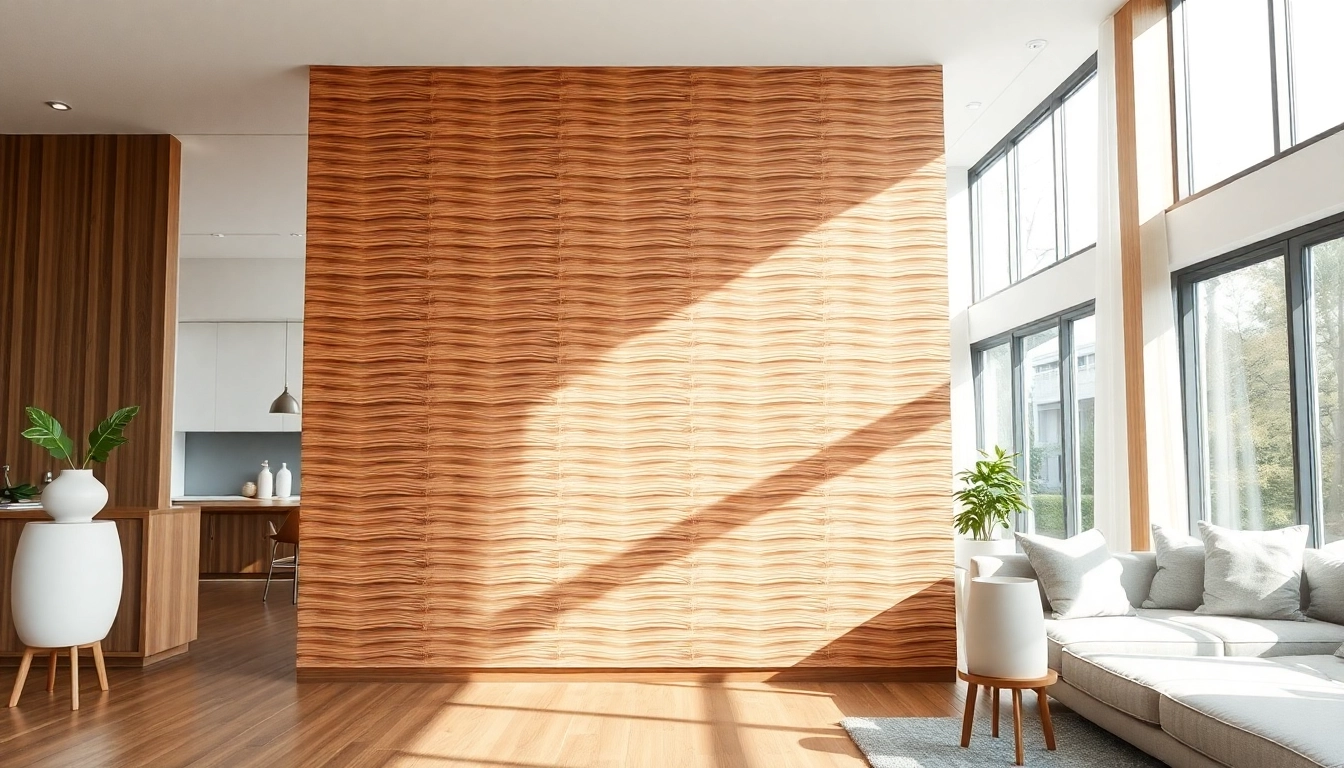
In living rooms, fluted wood panels can serve as a stunning feature wall, creating a focal point that enhances the room’s style. They can be paired with ambient lighting or integrated into built-in shelving to create an inviting atmosphere. Additionally, using these panels in combination with complementary furniture can unify the space, providing a cohesive look that feels both stylish and inviting.
Incorporating Fluted Wood Panels in Bedrooms
In bedrooms, fluted wood panels can add a touch of elegance and sophistication. They are often used behind headboards for a grand and luxurious feel, creating a subtle focal point that adds depth to the room. Furthermore, fluted wood panels can be utilized in cabinetry or as accent pieces, contributing to a serene atmosphere that promotes relaxation and restfulness.
Enhancing Kitchens and Dining Areas
Fluted wood panels can elevate the aesthetic of kitchens and dining areas by serving as backsplashes or cabinetry finishes. In kitchens, the use of fluted wood panels can add warmth and texture, while also providing a modern touch. For dining areas, these panels can be incorporated into wall designs or as part of a sideboard, enhancing the overall dining experience by creating a sophisticated environment for meals and gatherings.
Fluted Wood Panels in Commercial Spaces
Office Designs Using Fluted Wood Panels
In commercial office settings, fluted wood panels can dramatically improve aesthetics while also supporting functional needs. They can be utilized in conference rooms as partitions or treatment along the walls to create a warm and welcoming environment. The addition of these panels can aid in acoustics, making open-office layouts more conducive to collaboration without compromising privacy.
Retail Spaces and Fluted Wood Panels
For retail spaces, fluted wood panels can create an inviting atmosphere that encourages customer engagement. They can be used to highlight product displays or as backdrops for signage. Additionally, the textured surface can enhance light reflection, further showcasing products in an appealing way. Effective use of these panels can help establish brand identity and create memorable shopping experiences.
Restaurants: Creating Ambiance with Fluted Wood Panels
In restaurants, fluted wood panels contribute to creating a warm, inviting ambiance. These panels can be integrated into walls or ceilings to enhance the dining atmosphere. Using warm wood tones can evoke feelings of comfort and relaxation, making them ideal for establishments aiming to create a cozy and welcoming environment. Furthermore, thoughtful design of fluted wood panels can add layers to the decor, encouraging patrons to linger.
Installation and Maintenance
Preparing for Installation of Fluted Wood Panels
Before installation, it is crucial to prepare the area thoroughly. Begin by measuring the dimensions of the wall or surface where fluted wood panels will be applied. It is essential to ensure that the surface is clean, dry, and free of any obstructions. Proper tools and materials such as adhesive, nails, or screws should be gathered beforehand to streamline the process. Adequate planning helps to avoid common installation mishaps, ensuring a smoother experience.
Maintenance Tips for Durability
Maintaining fluted wood panels involves regular cleaning and occasional refinishing. To protect the finish, it is advised to dust panels regularly with a soft cloth. In case of stains or spills, prompt cleaning with a damp cloth will prevent lasting damage. Additionally, periodic application of wood conditioner or sealant can enhance the wood’s longevity, protecting it from moisture and wear.
Common Mistakes to Avoid During Installation
One of the most common mistakes during the installation of fluted wood panels is poor alignment. Ensuring that the grooves are consistently spaced and aligned is crucial for a professional look. Another mistake is inadequate surface preparation—failing to prepare the wall properly can lead to issues down the line. Lastly, rushing the installation process can result in uneven panels and poor adhesion, detracting from the overall appearance and performance.
Trends in Fluted Wood Panels
Current Design Trends Featuring Fluted Wood Panels
Currently, there is a notable trend in using fluted wood panels to create feature walls in both residential and commercial spaces. Textured surfaces are preferred as they add depth and interest, making rooms more dynamic. Combining fluted wood panels with other materials like metal or glass can also create striking contrasts and elevate overall design aesthetics.
Color Trends for Fluted Wood Panels
Color trends for fluted wood panels are leaning towards warmer tones and rich stains that highlight the natural beauty of the wood. Shades like walnut, oak, and even painted white or black finishes are popular choices, allowing flexibility in matching various design styles. Rare or exotic wood finishes are making a comeback, appealing to those looking for unique features.
Future Predictions for Fluted Wood Panel Usage
Looking towards the future, the use of fluted wood panels is expected to expand further within sustainable design practices. As environmentally friendly materials gain popularity, fluted wood panels made from reclaimed or responsibly sourced timber will likely trend upwards. Additionally, advancements in technology may enable more intricate designs, allowing for an even broader range of creative applications in architecture and interior design.
Frequently Asked Questions
What are fluted wood panels typically used for?
Fluted wood panels are commonly used in interior and exterior designs for creating feature walls, cabinetry, and decorative elements in residential and commercial spaces.
How do I maintain fluted wood panels?
Maintain fluted wood panels by dusting them regularly and promptly cleaning spills with a damp cloth. Conditioning the wood can protect it from moisture and damage.
Can fluted wood panels be painted?
Yes, fluted wood panels can be painted. Using high-quality paint will enhance their appearance while offering additional protection and can be customized to fit any design scheme.
Are fluted wood panels suitable for outdoor use?
Fluted wood panels are generally not ideal for outdoor use unless they are treated or made from weather-resistant materials to prevent weather-related deterioration.
How are fluted wood panels installed?
Fluted wood panels are installed by preparing the surface, measuring accurately, and using adhesive or mechanical fasteners. Proper alignment is crucial for achieving a professional finish.