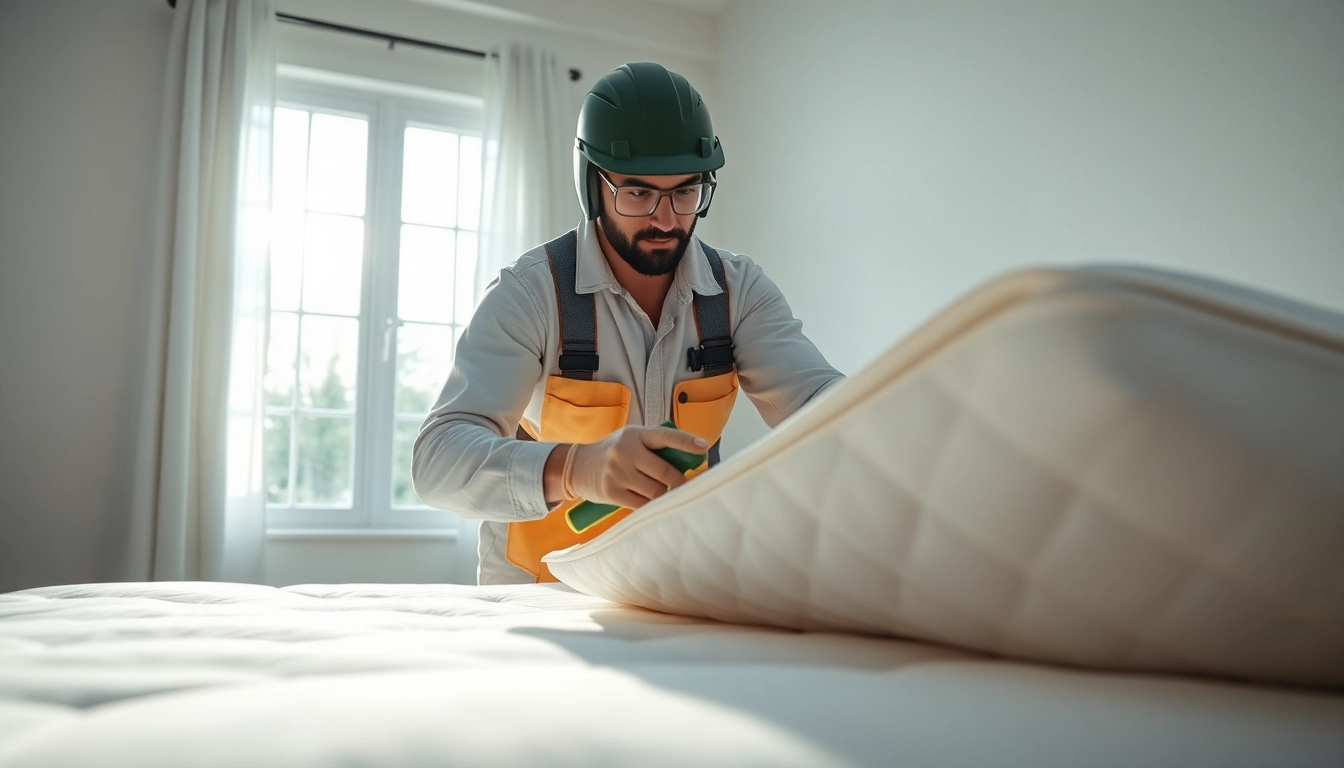
Understanding Bed Bugs and Their Habits
What Are Bed Bugs?
Bed bugs are small, wingless insects belonging to the family Cimicidae. These nocturnal pests primarily feed on human blood, making their presence both problematic and uncomfortable. Adults are typically brown, flat, and about the size of an apple seed, while their newly hatched counterparts are nearly translucent and much smaller. Bed bugs are resilient creatures, thriving in a variety of environments, from homes to hotels, often hitching a ride on luggage, clothing, or second-hand furniture.
Life Cycle and Behavior
The life cycle of bed bugs comprises five nymph stages before reaching adulthood, and they can reproduce rapidly. A female can lay up to 500 eggs in her lifetime, leading to extensive infestations if not addressed promptly. Bed bugs are known to survive for several months without feeding, making them difficult to eradicate once established. They tend to hide in cracks and crevices during the day, coming out at night to feed when their hosts are asleep.
Signs of Infestation
Recognizing a bed bug infestation early is crucial for effective bed bug removal. Common signs include:
- Visible bugs: Sightings of live bed bugs on sheets, mattresses, or bed frames.
- Exoskeletons: Shed skins left behind after nymphs mature.
- Fecal stains: Dark spots on bedding or furniture, indicating where they have recently fed.
- Bed bug bites: Red, itchy welts on the skin that appear after sleeping.
Preparing for Bed Bug Removal
Identifying Infested Areas
To effectively tackle a bed bug problem, one must first identify all infested areas. Common locations include:
- Mattresses and box springs
- Bed frames
- Baseboards and skirting boards
- Cushions and upholstery
A thorough inspection should include checking behind headboards, inside dressers, and in any cracks or crevices where bed bugs may be hiding.
What to Expect During Inspection
During a professional inspection, pest control experts will employ various techniques, including visual inspections and the use of specialized equipment like bed bug detection dogs. These detection methods enable thorough examinations, ensuring no area is overlooked. The findings will dictate the subsequent treatment plan.
Gathering Necessary Tools
Before starting the removal process, gather essential tools. This includes vacuum cleaners with HEPA filters, steam cleaners, mattress encasements, and, if using chemical treatments, appropriate pesticides as directed by professionals. Safety gear such as gloves and masks should also be on hand to protect against exposure to chemicals.
Effective Bed Bug Removal Methods
Chemical Treatments
Chemical treatments are often effective in eliminating bed bugs, particularly when part of a comprehensive strategy. Professional pest control services typically use insecticides that target both adult bugs and their eggs. Key points to consider:
- Always follow the manufacturer’s instructions to ensure safety and effectiveness.
- Combine chemicals with other methods for best results.
- Address potential hiding spots to prevent re-infestation.
Heat Treatments
Heat treatment is another popular method for bed bug removal. This involves raising the temperature of the infested area to a level that is lethal to bed bugs (around 118°F or 48°C). The advantages of heat treatments include:
- Ability to kill bed bugs at all life stages.
- Non-chemical method, making it safer for sensitive environments.
- Immediate results, often reducing the number of treatments needed.
However, heat treatments require specialized equipment and thorough preparation to be effective.
DIY Bed Bug Removal Solutions
For those interested in DIY methods, several strategies can help mitigate a bed bug infestation:
- Vacuuming: Regularly vacuuming infested areas can physically remove bed bugs, eggs, and droppings.
- Steam cleaning: High steam can kill bed bugs on contact, making this a useful tool for spot treatments.
- Using diatomaceous earth: This powder can be sprinkled in areas where bed bugs frequent, desiccating and killing them over time.
While these methods can assist in control, they are often most effective when used in conjunction with professional treatments.
Post-Removal Strategies
Preventing Future Infestations
Once a bed bug infestation is dealt with, protective measures are essential to prevent a recurrence. Some strategies include:
- Regularly inspecting second-hand furniture before bringing it indoors.
- Using mattress encasements to protect against potential bed bugs.
- Being vigilant when traveling by checking hotel rooms and luggage.
Monitoring After Treatment
Consistent monitoring post-treatment is necessary to ensure the problem is resolved. Set up bed bug monitors or traps in key areas to capture any pests that may still be present. Regular inspections can help catch any resurgence early on.
When to Call a Professional
If DIY methods do not yield satisfactory results, it may be time to contact a professional pest control service. Professional exterminators possess the tools and expertise essential for effective bed bug removal, particularly in larger or more stubborn infestations.
Frequently Asked Questions
What are the risks of staying in a home with bed bugs?
Although bed bugs are not known to transmit diseases, their bites can cause discomfort, allergic reactions, and secondary infections from scratching. Psychological impacts may also arise, such as anxiety or insomnia.
How quickly can bed bugs be eliminated?
The duration of bed bug elimination varies, depending on the infestation’s severity and the methods employed. Professional treatments can yield results within several days to weeks, while DIY strategies might take longer.
What is the average cost of bed bug removal?
Costs for bed bug removal can range widely, often depending on factors such as the extent of the infestation and the treatment methods used. General estimates can vary from hundreds to thousands of dollars.
Can I do bed bug removal myself?
Yes, DIY bed bug removal is possible and can be effective for small infestations. However, it typically requires a thorough understanding of the methods and regular monitoring to ensure success.
How can I prevent bed bugs from returning?
Preventing the return of bed bugs involves vigilance and proper management. Regular inspections, using protective mattress covers, and implementing careful practices when traveling or acquiring second-hand items can help minimize risks.