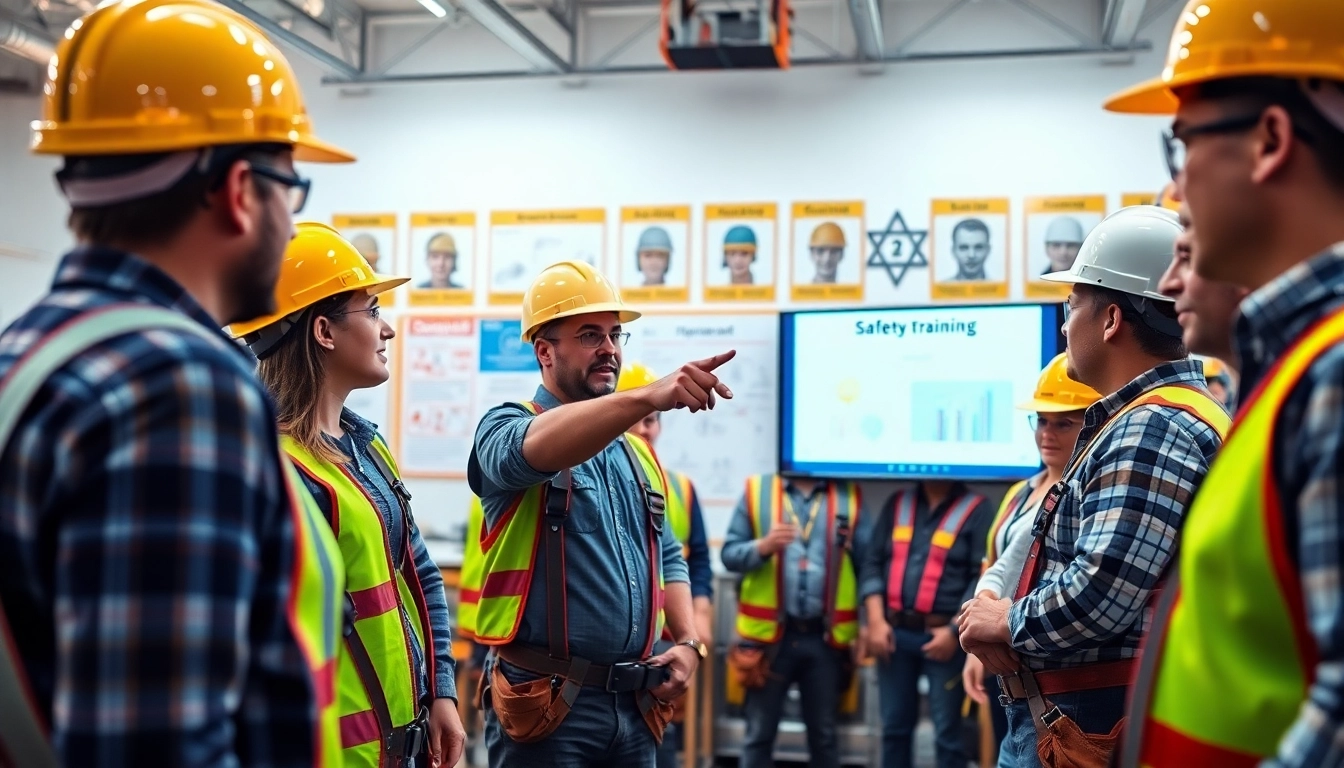
Understanding Construction Safety Programs
In the construction industry, ensuring the safety of workers is paramount. Injuries on construction sites can lead to significant financial losses, increased insurance premiums, and legal repercussions. More importantly, the well-being of workers is a fundamental concern that extends beyond mere compliance. Therefore, implementing effective construction safety programs is essential for every project. This article will delve into the intricacies of these programs, exploring their importance, objectives, and key elements that contribute to an effective safety culture in construction.
The Importance of Construction Safety
Construction is one of the most hazardous industries worldwide. Statistics consistently show that it has some of the highest rates of accidents and fatalities. The importance of robust construction safety programs cannot be overstated. Not only do these programs protect workers, they also enhance productivity, reduce absenteeism, and build a positive organizational culture focused on safety.
Furthermore, a strong safety program can enhance a company’s reputation and its ability to win contracts. Clients are increasingly looking for contractors that prioritize safety not just for legal reasons, but as a reflection of overall business integrity. Overall, investment in safety translates directly into improved financial performance and long-term sustainability.
Objectives of Construction Safety Programs
The primary objective of any construction safety program is to prevent accidents and injuries on-site. This involves assessing risks, implementing control measures, and creating a culture of safety. Key goals include:
- Identifying and mitigating hazards before they cause harm.
- Educating workers about workplace safety and health standards.
- Ensuring compliance with legal and regulatory requirements.
- Creating emergency response protocols to handle incidents effectively.
Additionally, these programs seek to foster employee engagement by encouraging workers to take ownership of their safety practices, ultimately cultivating an environment where safety becomes a shared priority.
Key Elements of Effective Programs
For construction safety programs to be effective, they must be carefully structured and implemented. Key elements include:
- Training and Education: Ongoing training ensures that all employees understand safety policies and procedures, and are aware of their roles in maintaining a safe worksite.
- Risk Assessment: Regular evaluations of the workplace to identify potential hazards is essential. This proactive approach helps mitigate risks before they result in incidents.
- Incident Reporting and Investigation: Establishing a clear process for reporting accidents and near misses promotes accountability and enables organizations to investigate incidents thoroughly.
- Safety Equipment and Gear: Providing appropriate personal protective equipment (PPE) and ensuring proper maintenance of tools and machinery is essential for safeguarding workers.
- Regular Review and Improvement: Safety programs should be living documents that are audited regularly and adjusted based on feedback from employees and changes in regulations or project scope.
Types of Construction Safety Programs
General Safety Training
General safety training is the cornerstone of any construction safety program. This training should cover basic safety principles, hazard recognition, and emergency procedures. Courses might include topics such as ergonomic safety, fall prevention techniques, scaffolding safety, and hazard awareness. Moreover, hands-on training aids workers in connecting theoretical knowledge to practical skills, significantly enhancing their understanding of safety protocols.
Hazard Communication
Effective hazard communication ensures that all employees understand the hazards associated with their tasks and how to protect themselves. This involves proper labeling of hazardous materials, providing Safety Data Sheets (SDS), and organizing regular training sessions on chemical safety and the handling of dangerous substances. Ensuring that workers are informed and proactive can vastly reduce the chances of accidents related to hazardous materials.
Emergency Response Plans
Every construction site should have clearly defined emergency response plans in place. These plans should detail actions for various emergency scenarios such as fires, chemical spills, or severe weather events. Regular drill practices keep workers prepared and ensure everyone knows their duties during an emergency. Additionally, effective communication channels must be established to report emergencies swiftly and accurately, facilitating timely responses and reducing confusion during crises.
Implementing Construction Safety Programs
Steps for Successful Implementation
Implementing a construction safety program involves several critical steps:
- Commitment from Leadership: Top management must prioritize safety and allocate necessary resources to develop and sustain the program.
- Involvement of Employees: Engaging employees in the goal-setting process enhances communication and encourages buy-in.
- Comprehensive Planning: Establish a safety plan based on risk assessments and regulatory standards.
- Training Implementation: Schedule and conduct training sessions tailored to specific job roles and tasks to ensure all personnel receive appropriate education.
- Review and Revise: After initial implementation, regularly review program effectiveness and make necessary alterations based on feedback and incident reports.
Involving Employees in Safety Planning
Active employee participation in safety planning not only reinforces the message that safety is a shared responsibility, but it also encourages workers to contribute their own insights and experiences. Workers often have firsthand knowledge of the hazards they face on-site, so their input can significantly enhance the effectiveness of safety programs. Constructing safety committees that include employees from various levels of the organization ensures diverse perspectives and fosters a culture of collaboration and accountability.
Monitoring and Adjusting Programs
Monitoring the effectiveness of safety programs is vital for continuous improvement. This involves regular inspections, incident tracking, feedback collection, and program evaluations. Applying findings from audits and assessments leads to actionable insights that can refine existing programs and contribute to a better understanding of emerging risks. Adjustments based on real-time data will not only enhance worker safety but also maintain program relevance and adherence to new regulations.
Common Challenges and Solutions
Addressing Resistance to Change
Implementing new safety programs may encounter resistance from employees accustomed to existing practices. To combat this, it’s essential to communicate the benefits of the changes clearly and involve workers in the development process. Engaging influential employees as safety ambassadors can also promote acceptance, while incentivizing safety compliance through recognition programs reinforces positive behavior.
Keeping Up with Regulations
The construction industry is subject to frequent regulatory updates, making compliance essential yet challenging. Organizations can address this by designating safety officers or establishing dedicated teams to stay informed about changing laws and best practices. Additionally, providing ongoing training and resources will ensure employees are aware of compliance requirements and can adapt to changes quickly.
Ensuring Consistent Training
Consistency in training is critical for maintaining high safety standards. This can be achieved by developing a training calendar detailing all safety training sessions for the year. Regular refresher courses and updates tailored to new equipment and practices are vital for integrating safety seamlessly into everyday operations. Moreover, utilizing a variety of teaching methods—such as online modules, workshops, and hands-on sessions—can accommodate different learning styles, enhancing overall comprehension.
Measuring Success of Construction Safety Programs
Performance Indicators to Track
Measuring the success of construction safety programs is essential to understand their impact. Key performance indicators (KPIs) to consider include:
- Incident Rates: Monitor the frequency and severity of incidents to gauge effectiveness.
- Training Completion Rates: Track the percentage of employees who complete required safety training.
- Employee Feedback Scores: Gather feedback through surveys to assess perceived safety culture and program efficacy.
- Compliance Audit Results: Regularly review compliance with safety regulations to ensure adherence.
Regular Safety Audits
Conducting regular safety audits is a proactive measure to identify areas for improvement. Audits help assess program effectiveness and compliance while pinpointing unaddressed hazards. Employing an organized approach, such as checklist-based audits involving both internal and external reviewers, can provide a balanced perspective and foster accountability within the organization.
Feedback Mechanisms for Continuous Improvement
Establishing formal feedback mechanisms promotes an open dialogue about safety within the organization. Regularly gathering insights from workers through surveys and meetings encourages them to voice their concerns and share suggestions for improvements. Additionally, analyzing incident reports and near misses allows organizations to identify patterns and root causes, informing necessary adjustments to the safety program.
FAQs
What are construction safety programs?
Construction safety programs are structured plans that outline safety practices, training, and policies to prevent accidents and injuries on construction sites.
Why are safety programs important in construction?
Safety programs are crucial for protecting workers, reducing accidents, ensuring compliance with regulations, and promoting a positive work environment.
How can employees be involved in safety programs?
Employees can be involved by participating in safety committees, offering feedback, and leading or attending safety training sessions.
What should be included in a training program?
A training program should cover hazard communication, emergency response plans, equipment safety, and job-specific safety procedures.
How do we measure the effectiveness of safety programs?
Effectiveness can be measured through incident rates, training completion, employee feedback, and regular safety audits.