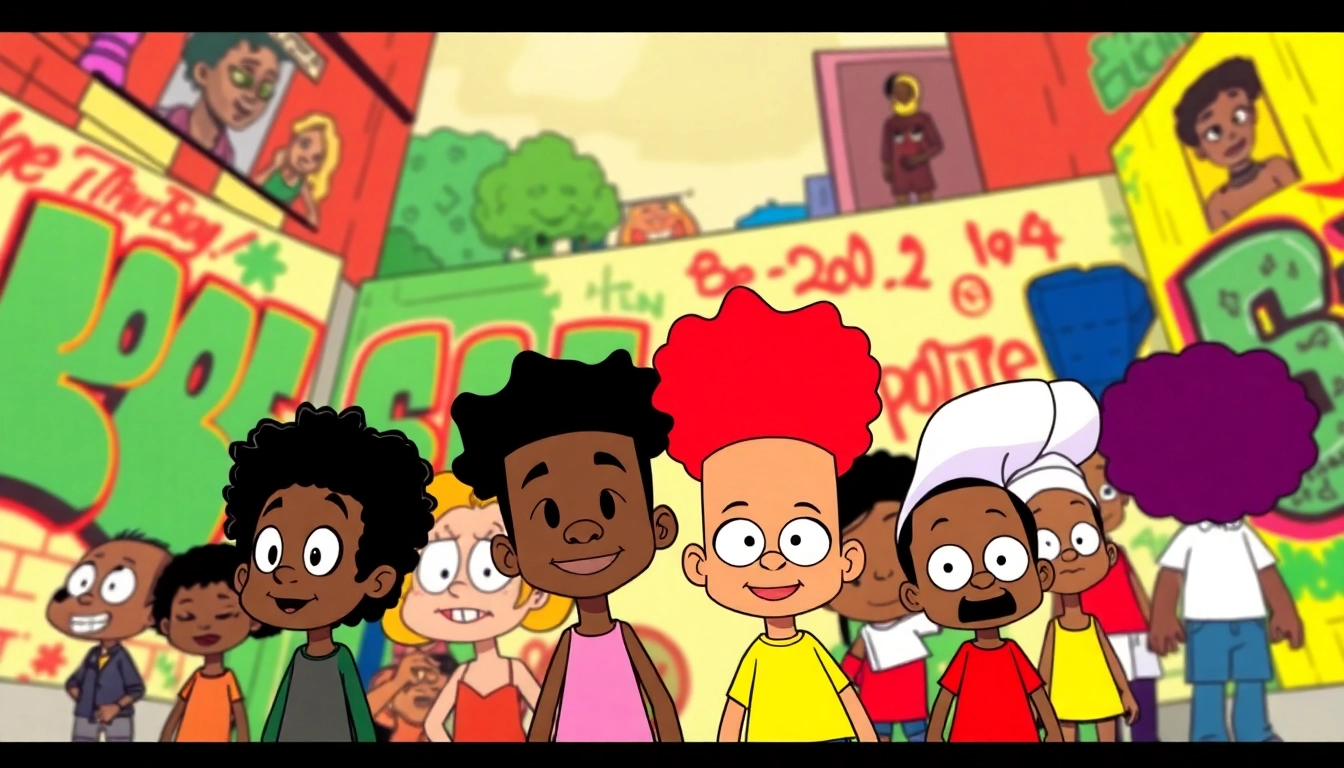
Introduction to African American Cartoons
African American cartoons have played an essential role in shaping the landscape of animation, with their unique narratives and characters reflecting the rich tapestry of Black culture and experiences. As audiences increasingly seek diverse and authentic representations in media, these animated pieces emerge not only as entertainment but also as powerful tools for cultural education and social commentary. With platforms like African American Cartoons, viewers have greater access to a variety of shows that celebrate Black voices and creativity.
The Importance of Representation in Animation
The significance of representation cannot be overstated, especially in animation, which is a medium that influences children from a young age. Having characters that reflect their backgrounds allows Black children to see themselves in positive roles and encourages empathy and understanding among diverse audiences. Representation impacts how stories are told, leading to a richer array of narratives that challenge stereotypes and provide authenticity.
A Brief History of African American Cartoons
The journey of African American cartoons is one filled with triumphs and challenges. Early representations often fell into the realm of caricature, perpetuating negative stereotypes. Yet, pioneers like Fats Waller and the creation of characters such as Fat Albert in the 1970s marked a turning point, allowing for more nuanced and relatable portrayals. The late 20th century brought an explosion of Black animated series such as The Boondocks and The Proud Family, which not only entertained but educated audiences about the complexities of Black life.
Key Themes and Messages in Black Animation
African American cartoons often delve into themes of identity, family, community, and social justice. Shows like The Boondocks tackle issues such as systemic racism and privilege, providing a sharp critique of contemporary society. Similarly, Doc McStuffins, while primarily aimed at younger audiences, teaches lessons about empathy and responsibility through its diverse cast and storylines. These themes resonate deeply and reflect the realities faced by many in the Black community.
Iconic African American Cartoons from the Past
Classic Titles That Shaped the Genre
Classic African American cartoons have left a lasting impression on the animation genre, with shows like Fat Albert and the Cosby Kids emphasizing friendship and problem-solving in a relatable way. The Jacksons: An American Dream, though not an animated series, illustrated the crossover potential of animation into telling important musical histories and narratives. These shows continue to inspire new generations of creators and audiences alike.
Notable Characters and Their Impact
Characters such as Huey and Riley Freeman from The Boondocks challenge existing norms and provide astute social commentary. Their complex personalities and interactions with family and society resonate with older audiences while still being accessible to younger viewers. Other notable characters, such as Penny Proud from The Proud Family, showcase the importance of family dynamics and issues of cultural identity.
Lessons from Historical Contexts
The context in which these cartoons were created often informs their narratives. For example, the Civil Rights Movement and subsequent cultural shifts influenced shows from the 70s and 80s, embedding serious social issues into entertaining formats. Today, modern creators continue this legacy, using the foundation laid by past shows to discuss contemporary issues such as economic inequality and mental health within the Black community.
Modern African American Cartoons
Trending Shows to Watch in 2026
As of 2026, several modern African American cartoons have gained traction, reflecting ongoing societal changes and the evolution of storytelling in animation. Craig of the Creek, for instance, highlights the adventures of children in a diverse neighborhood, while Big Mouth tackles adolescence and identity with a humorous lens that resonates with both teens and adults. These shows not only entertain but also bridge gaps in understanding the Black experience among broader audiences.
Diversity and Inclusion in Contemporary Animation
Today’s animation landscape is increasingly focused on diversity and inclusion, with platforms actively seeking to uplift underrepresented voices. Streaming services are investing in original content, inviting diverse creators to share their stories. Shows like Motown Magic and Spirit Riding Free: Riding Academy showcase an array of characters and themes, enriching the overall narrative landscape and providing audiences with multiple perspectives.
Creators to Follow in the Industry
Several notable African American creators are at the helm of groundbreaking animated projects. Yvonne Orji, known for her roles beyond animation, is currently involved in various animated series that celebrate Black culture. Furthermore, the work of LeSean Thomas, the creator behind Castlevania, illustrates a masterful blend of storytelling and visual art that continues to push the boundaries of animation.
Educational Value of African American Cartoons
Using Cartoons to Teach Cultural Heritage
Educational initiatives increasingly incorporate African American cartoons to teach cultural heritage and history. Shows like Doc McStuffins promote themes of health and family while subtly embedding lessons about cultural diversity. Activist cartoonists are using animation as a medium to instill pride in cultural identity and promote understanding among children of all backgrounds.
Critical Thinking and Social Issues Explored
Many African American cartoons encourage critical thinking by addressing social issues head-on. For example, The Boondocks challenges viewers to think critically about systemic racism and societal expectations, while other cartoons introduce young audiences to concepts of justice and equity in relatable narratives. These discussions are crucial in helping shape informed, empathetic individuals.
Recommended Viewing for All Ages
- Doc McStuffins: Engaging young minds with lessons about health and empathy.
- The Proud Family: Highlighting family values and cultural identity.
- The Boondocks: An adult-oriented critique of society.
- Big Mouth: Exploring adolescence in a humorous yet insightful way.
- Craig of the Creek: Celebrating friendship and adventure among diverse characters.
Future Trends in African American Animation
Emerging Technologies in Cartoon Production
The animation industry is witnessing an explosion of new technologies that are transforming how cartoons are produced. Virtual reality and augmented reality offer exciting avenues for storytelling, enabling viewers to immerse themselves in the narratives. As technology evolves, expect more interactive experiences that engage audiences while showcasing African American stories.
Predictions for the Next Generation of Animation
Looking ahead, the next generation of African American animation will likely be shaped by a fusion of technology and cultural storytelling. We can anticipate an uptick in collaborations with platforms dedicated to diverse content, which will ensure that authentic Black narratives continue to thrive. Furthermore, as awareness of social issues grows, animations will increasingly reflect the complexity of modern Black experiences.
The Role of Streaming Services in Distribution
Streaming services are revolutionizing how African American cartoons are shared and consumed. With platforms recognizing the demand for diverse content, creators have access to larger audiences than ever before. This accessibility fosters creativity and innovation, leading to a burgeoning array of animated series that highlight the richness of Black culture across various genres.